Brownstone vs Townhouse vs Rowhouse
In Fort Greene
Shopping in Fort Greene and seeing listings labeled brownstone, townhouse, and rowhouse used like they mean the same thing? You are not alone. These terms overlap, and in NYC marketing they get blurred fast. In this guide, you will learn what each term means on Fort Greene blocks, how layouts and ownership differ, and what to check before you buy or renovate. Let’s dive in.
Brownstone, townhouse, and rowhouse explained
What a “brownstone” means here
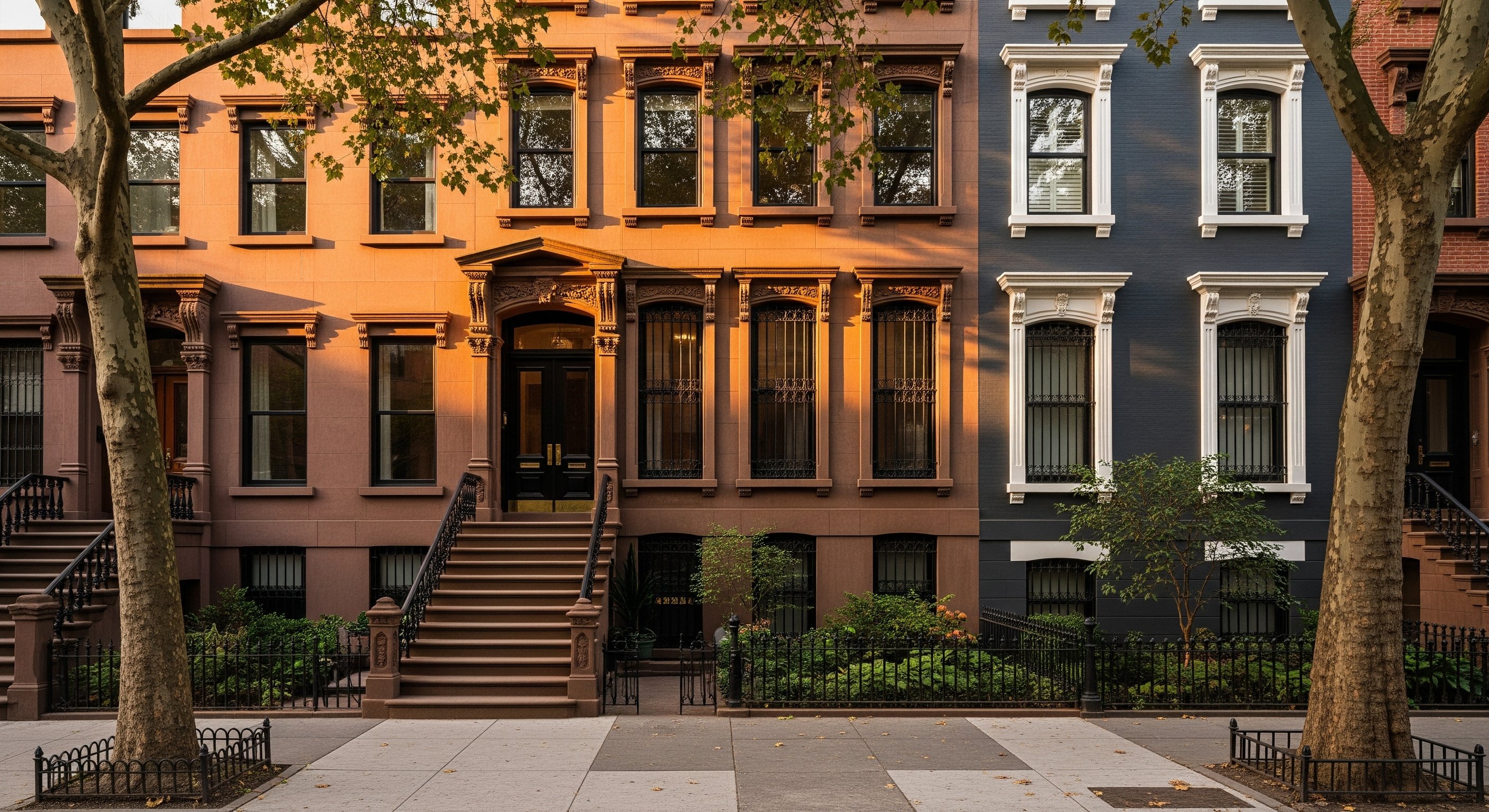
A brownstone is a house with a primary facade clad in brown sandstone, common to 19th-century Brooklyn. In Fort Greene you will recognize the raised stoop, parlor-level entrance, decorative cornice, and tall windows across 3 to 4 stories above a garden or basement level. Many facades were re-faced or painted over time, so “brownstone” often signals historic styling more than pure sandstone material.
What a “rowhouse” actually is
A rowhouse is the housing form. It is one home in a continuous row that shares party walls with its neighbors and typically follows a similar footprint. In Fort Greene, most 19th-century residential blocks are rows of narrow, attached houses with brick or brownstone facades. The practical takeaway is that party walls and uniform streetscapes drive what exterior changes you can make, especially within historic districts.
What “townhouse” usually means
Townhouse is about use and ownership. In Fort Greene, it may mean a fee-simple single-family home, a multi-family building, or a condo “townhouse” within a larger property. The look might mimic a brownstone, but the legal structure can vary. Always confirm whether you are buying single-family, multi-family, condo, or co-op, since financing, taxes, and rules differ.
What matters most to your deal
Verify the legal status in city records, including deed and tax lot, building classification and certificate of occupancy, and any condo or co-op documents. This affects your financing options, permitted use, renovation approvals, and resale value.
Typical Fort Greene layouts and features
Common footprints and dimensions
Many homes sit on lots about 16 to 20 feet wide, with wider 20 to 24 foot options on select blocks and corners. Plans are long and narrow, with deep rear yards. You will often find 3 to 4 main living floors plus a basement or garden level. Parlor floors tend to have the tallest ceilings and the most decorative details.
Popular interior configurations
- Single-family townhouse: contiguous vertical living, formal rooms on the parlor level, bedrooms above, and many modern renovations place the kitchen on the garden level for easy yard access.
- Multi-family conversion: a typical setup is a garden apartment, a parlor floor unit, and one or more units on the upper floors.
- Condo or townhouse conversion: a single building split into individual condo units with shared common elements.
Historic character and modern systems
Expect prewar details like plaster moldings, medallions, original staircases, and decorative fireplaces. Buyers often look for updated kitchens and baths, new electrical service, modern heating and cooling such as ductless mini-splits, added insulation, and in-unit laundry. Narrow floorplates and load-bearing masonry can limit how open you can make the plan.
Ownership and rules that shape your options
Common ownership types
- Fee simple single-family: you own the entire building and lot, and you handle all maintenance and taxes.
- Multi-unit rental: you own the building and rent the units, which may include tenants with rent regulations.
- Co-op: you own shares and occupy a unit under a proprietary lease. Boards set rules and approvals, often strict for investors.
- Condo: you own an individual unit with shared common elements. Generally more flexible for renting and resale.
Landmarks and DOB basics
Large parts of Fort Greene are within NYC historic districts. Exterior work visible from the street often requires Landmarks Preservation Commission approval plus Department of Buildings permits. Most interior structural, mechanical, and plumbing work also needs DOB permits, and older buildings sometimes carry open violations that must be cleared before sale or refinancing.
Party walls and tenants
Rowhouses share party walls, so structural work often needs neighbor coordination and formal agreements. If you are buying multi-family, verify rent regulation status and review leases. Tenant protections can shape your renovation scope and income assumptions.
Renovations in Fort Greene: scope and timing
Typical scopes you will see
- Exterior and facade work: brownstone repair, repointing, cornice and stoop restoration, and window work that matches historic profiles in landmarked areas.
- Structural fixes: foundation stabilization, joist repair or replacement, and leveling sagging floors.
- Systems upgrades: replacing outdated plumbing and electrical, modern heating and cooling, and new water heaters.
- Interior reconfiguration: opening selective walls, relocating kitchens, adding baths, or changing unit count where allowed.
- Basement and garden level improvements: waterproofing and moisture control, egress upgrades, and code-compliant ventilation.
Common red flags to investigate
Old wiring, deteriorated brownstone that flakes or spalls, water intrusion in basements, fragile historic plaster and stairs, and any prior unpermitted work. These issues can impact insurance, lending, timelines, and cost.
Permits, LPC review, and timing
Most mechanical, plumbing, and structural work requires DOB permits. Visible exterior work in historic districts typically needs LPC approval first. Minor interior jobs can move in weeks to a few months, while full gut renovations with LPC review can take several months to a year or more, depending on scope and approvals.
Budget drivers to plan for
Total cost hinges on scope, structural needs, facade restoration, system modernization, and access challenges in narrow shells. Older buildings often reveal surprises after opening walls, so set a contingency for hidden issues, including hazardous material abatement when required.
Due diligence checklist for Fort Greene buyers
Records to review before you sign
- Deed and tax lot details to confirm ownership and classification.
- Certificate of Occupancy to verify legal unit count and use.
- DOB permits and violations for past work and open issues.
- LPC status to see if the building is in a historic district and to review prior approvals.
- HPD records for tenant and rent regulation status.
- Condo or co-op documents, including offering plans and bylaws where applicable.
- Lead paint and asbestos testing for older buildings.
- Title report for liens, violations, and easements.
- Any existing party wall agreements.
Specialists to assemble
- Real estate attorney with NYC co-op, condo, and landmark experience.
- Architect or preservation architect who knows LPC and rowhouse constraints.
- Structural engineer familiar with masonry and party-wall conditions.
- General contractor with historic Brooklyn townhouse experience.
- Environmental inspector for lead and asbestos.
- Surveyor or title company for boundary checks.
- Local agent with Fort Greene block-by-block insight and tenant dynamics.
Local context to weigh
Fort Greene’s appeal includes proximity to Fort Greene Park, cultural institutions, and strong transit options around Atlantic Avenue and nearby stations. Many streets are landmarked, which adds friction for exterior work but supports the long-term value of intact historic facades. Some buildings still have long-term regulated tenants, so verify status early if you plan to reconfigure or raise rents.
Which one fits your plan
- If you want contiguous living and outdoor space, a fee-simple single-family townhouse often delivers the classic parlor flow and private yard.
- If rental income is part of your strategy, a multi-family rowhouse can work, but confirm tenant status and legal unit count before modeling returns.
- If you prefer lower maintenance, a condo “townhouse” can offer historic style with shared responsibility for exteriors and common elements, though monthly charges will apply.
Buying or renovating in Fort Greene is about aligning the property’s legal status, physical layout, and landmark constraints with your goals. If you want help mapping that path, our team pairs practical renovation know-how with hands-on project management. Reach out to Max Moondoc to plan your next move.
FAQs
What is the difference between a brownstone and a rowhouse in Fort Greene?
- A brownstone describes facade material and style, while a rowhouse describes the attached housing form with shared party walls.
How do I confirm if a Fort Greene townhouse is single-family or multi-family?
- Check the certificate of occupancy and tax lot records to verify legal unit count and use before you make financing or renovation plans.
Do I need Landmarks approval to replace windows on a Fort Greene facade?
- If the building is in a historic district and the windows are visible from the street, Landmarks review is typically required in addition to DOB permits.
Can I convert a multi-unit Fort Greene brownstone into a single-family home?
- It is often possible, but it depends on the current legal use, tenant status, and approvals from DOB and Landmarks for any visible exterior changes.
What renovation surprises should I budget for in a 19th-century Fort Greene house?
- Common hidden costs include full electrical replacement, brownstone or brick repairs, structural reinforcement, waterproofing, and hazardous material abatement when required.